El Último Baile de Córdoba
(The Last Dance in Córdoba)
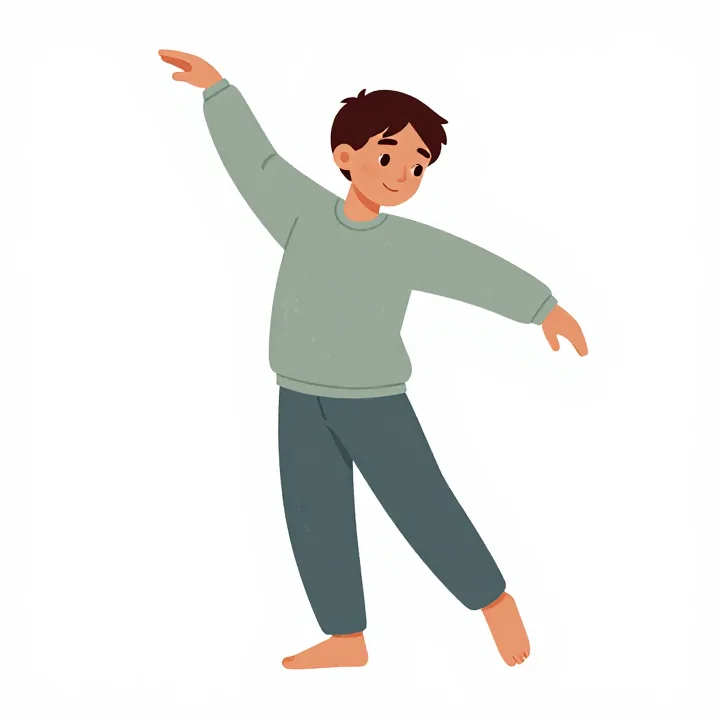
Sofía Herrera se mudó a Córdoba en septiembre para empezar un trabajó nuevo en un museo.
Sofía Herrera moved to Córdoba in September to start a new job at a museum.
No conocía a nadie en la ciudad y pasaba las tardes caminando sola por las calles estrechas del casco antiguo.
She did not know anyone in the city and spent the afternoons walking alone through the narrow streets of the old quarter.
Sin embargo, no se sentía triste.
However, she did not feel sad.
Le gustaba el silencio de los patios y el olor a azahar que flotaba en el aire.
She liked the silence of the courtyards and the scent of orange blossom that floated in the air.
Una noche, mientras volvía a casa, escuchó música que salía de un pequeño local cerca del río.
One night, while she was returning home, she heard music coming from a small venue near the river.
Entró sin pensarlo.
She went in without thinking.
Dentro, un grupo de personas bailaba flamenco.
Inside, a group of people was dancing flamenco.
Sofía se quedó junto a la puerta, observando.
Sofía stood by the door, watching.
De repente, un hombre joven con el pelo oscuro se acercó a ella. <<¿Te gustaría bailar?>>, le preguntó con una sonrisa.
Suddenly, a young man with dark hair approached her. Would you like to dance? he asked her with a smile.
Se llamaba Andrés y daba clases de flamenco allí los viernes.
His name was Andrés and he taught flamenco classes there on Fridays.
Sofía le explicó que nunca había bailado flamenco. <<No importa>>, contestó él. <<Solo tienes que dejarte llevar por la música>>.
Sofía explained to him that she had never danced flamenco. It does not matter, he replied. You just have to let yourself be carried by the music.
A partir de esa noche, Sofía empezó a ir al local todos los viernes.
From that night on, Sofía began going to the venue every Friday.
Al principio, se tropezaba con sus propios pies y se reía de sí misma.
At first, she tripped over her own feet and laughed at herself.
Pero Andrés siempre la animaba con paciencia.
But Andrés always encouraged her patiently.
Poco a poco, descubrió que el flamenco no era solo un baile.
Little by little, she discovered that flamenco was not just a dance.
Era una conversación sin palabras.
It was a conversation without words.
Cada vez que sus manos se rozaban durante la clase, sentía algo que no podía explicar.
Every time their hands brushed during the class, she felt something she could not explain.
No obstante, tenía miedo de decírselo.
However, she was afraid to tell him.
Una noche de diciembre, después de la última clase del año, Andrés le pidió que se quedara un momento.
One December night, after the last class of the year, Andrés asked her to stay a moment.
El local estaba vacío y la música había dejado de sonar. <<Hay algo que quiero decirte>>, dijo él, mirándola a los ojos. <<Desde que llegaste, los viernes se han convertido en mi día favorito>>.
The venue was empty and the music had stopped playing. There is something I want to tell you, he said, looking into her eyes. Since you arrived, Fridays have become my favourite day.
Sofía notó que el corazón le latía muy rápido. <<A mí me pasa lo mismo>>, confesó ella.
Sofía noticed that her heart was beating very fast. The same thing happens to me, she confessed.
Andrés sonrió y le tendió la mano. <<¿Un último baile antes de que termine el año?>>.
Andrés smiled and held out his hand. One last dance before the year ends?
Sofía aceptó y, por primera vez, bailaron solos en aquel pequeño local junto al río.
Sofía accepted and, for the first time, they danced alone in that small venue by the river.
No necesitaban música.
They did not need music.
El silencio entre ellos decía todo lo que las palabras no habían podido expresar.
The silence between them said everything that words had not been able to express.
Key Vocabulary
mudarse to move (house) — reflexive verb
el casco antiguo the old quarter / old town
tropezarse con to trip over (lit. to stumble oneself with)
reírse de to laugh at (reflexive)
rozarse to brush against / to touch lightly
dejar de + infinitive to stop doing something
tender la mano to hold out one's hand
dejarse llevar to let oneself be carried away